

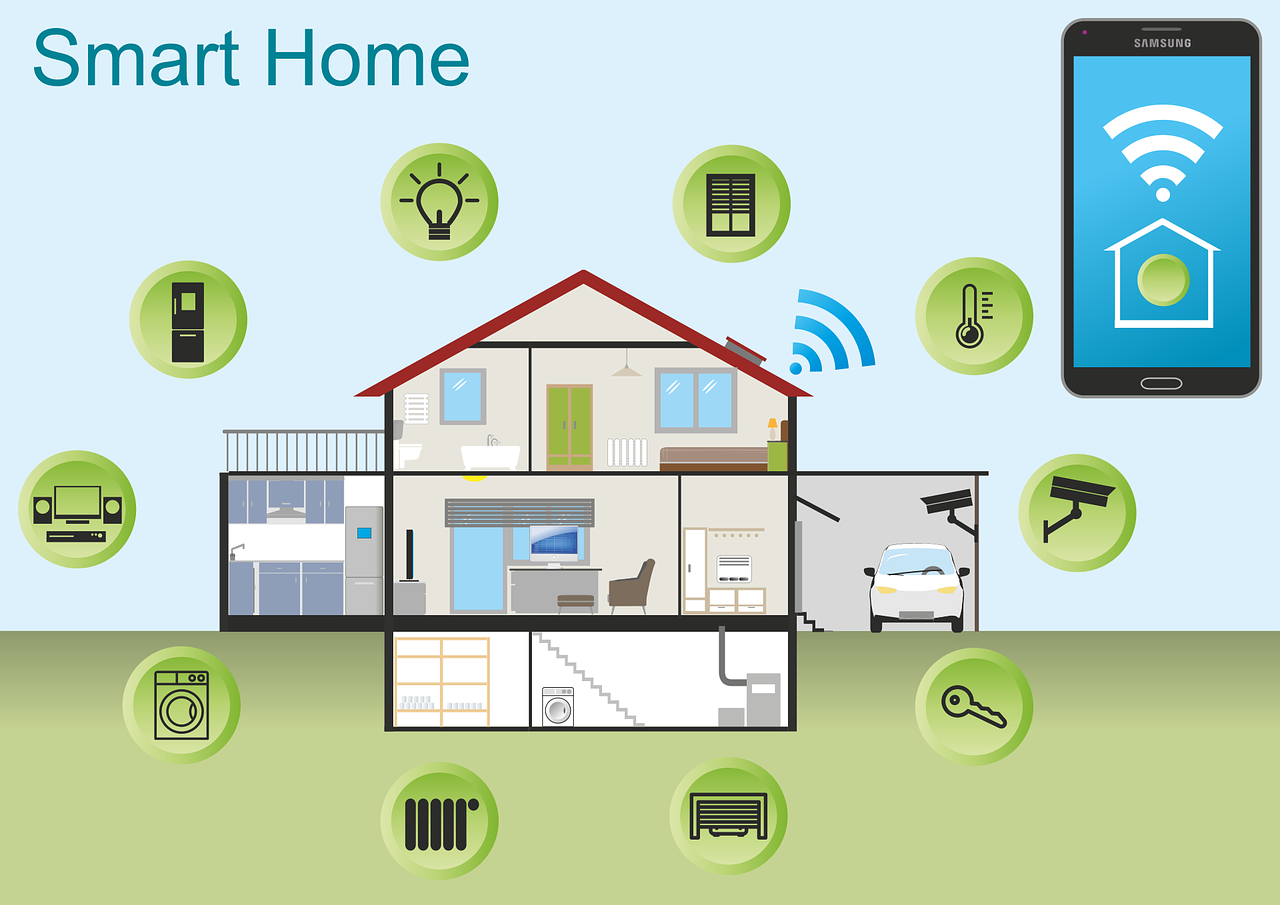
Smart home technology is becoming part of everyday life, and you’ve probably already seen it without noticing. From lights that turn on by themselves to apps that show who’s at your door, these tools are slowly finding a place in regular homes. The idea is simple: make daily tasks easier, safer, and a little more convenient. You don’t need to be a tech expert to get started, and most devices are made for beginners who just want things to work without trouble.
This guide walks you through the basics so you can understand what’s worth trying and what you can skip. There’s no pressure to turn your house into a futuristic setup. Instead, we’ll look at how smart devices actually work, what you need to set them up, and how to choose the right ones for your lifestyle. Think of it as a friendly starting point, not a sales pitch.
Smart home technology uses connected devices to automate simple tasks and make your home easier to manage. It can help you save energy, boost security, and bring more comfort to your daily routine. In this guide, we’ll walk through 9 practical ways you can use it in your own home, then wrap up with a quick summary so you know exactly where to start.
9 Ways to Use Smart Home Technology in Your Everyday Life
- Smart lighting for simple automation
- Smart thermostats to save energy
- Smart security cameras for better protection
- Smart door locks for keyless entry
- Smart speakers and voice assistants
- Smart plugs to control regular devices
- Smart home hubs for easier management
- Smart sensors for safety and alerts
- Smart appliances for added convenience
Before diving into each of these options, it’s good to get a quick sense of what they actually do and how they fit into your daily routine. You don’t need to use all nine to see a difference. Even starting with one or two can make your home feel more organized and easier to manage. Let’s break them down so you can decide which ones make the most sense for your lifestyle.
1. Smart lighting for simple automation
Smart lighting is one of the easiest places to start because it doesn’t require a big setup or a huge budget. Most people begin with smart bulbs or smart switches, which you can control from your phone or with your voice. You can turn lights on or off, dim them, or even change the color depending on the product you choose. It’s a simple upgrade that immediately feels modern without needing any wiring experience.
A nice perk of smart lighting is how it adapts to your day. You can set schedules so the lights slowly brighten in the morning, turn off automatically when you leave, or switch on at sunset. These small automations help you save energy without thinking about it, and they also create a more comfortable routine. For example, soft lighting in the evening can help you wind down without the harsh brightness of regular bulbs.
Smart lighting also adds a layer of safety and convenience. When you’re away from home, you can turn your lights on remotely to make the house look occupied. Some systems can even sync with motion sensors, so lights come on when you enter a room and turn off when you leave. It’s a mix of comfort, efficiency, and peace of mind, all from a feature that’s easy to install and easy to control.
If you want the short version, smart lighting lets you control your lights from your phone, set schedules that match your routine, and save energy without effort. It’s an easy upgrade that adds comfort, convenience, and a bit of security to your home.
2. Smart thermostats to save energy
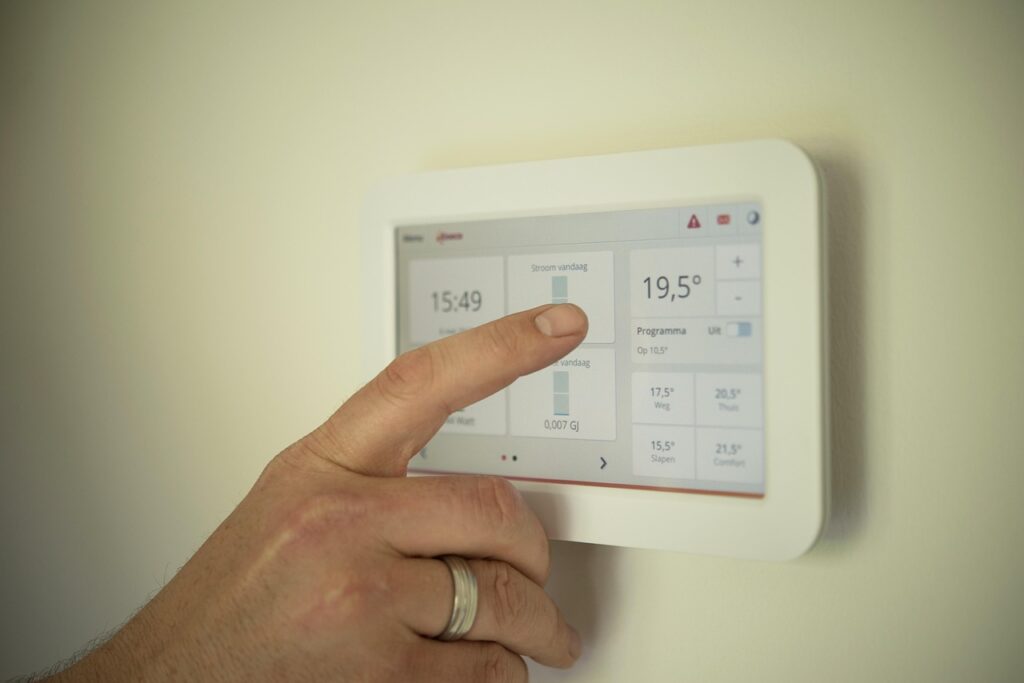
Smart thermostats are a popular upgrade because they learn how you like your home to feel and adjust the temperature automatically. Instead of constantly tweaking the settings, the thermostat does the work for you by studying your patterns, like when you wake up, leave the house, or go to sleep. You can also control it from your phone, which makes it easy to warm up the house before you arrive or turn the heat down if you forgot to do it before leaving.
One of the biggest benefits is energy savings. Smart thermostats can reduce heating and cooling costs by adjusting temperatures when you’re not home or when you’re sleeping. Many models show you how much energy you’re using and give suggestions to help you save even more. Over time, small adjustments can lower your utility bills without sacrificing comfort.
Smart thermostats also work with other smart devices to make your home run smoother. For example, they can connect to motion sensors, smart blinds, or even weather data to keep temperatures steady. This makes your home feel more comfortable with less effort and fewer surprises, like coming home to a house that’s too hot or too cold.
A smart thermostat learns your schedule, adjusts temperatures automatically, and helps you save energy and money. It keeps your home comfortable while doing most of the work for you.
3. Smart security cameras for better protection
Smart security cameras give you extra peace of mind by letting you see what’s happening around your home at any time. Most modern cameras stream live video straight to your phone, so you can check in whether you’re at work, traveling, or just upstairs. Many also come with night vision, wide-angle lenses, and two-way audio, which make them useful for everything from monitoring deliveries to talking to someone at your door.
Another big advantage is motion alerts. Instead of recording nonstop, smart cameras notify you only when they detect movement, helping you stay aware without being overwhelmed. Some models even use advanced features like person detection to reduce false alarms from things like wind or pets. This keeps the notifications relevant and gives you a clearer picture of what’s actually happening outside or inside your home.
Smart cameras also integrate well with other smart home devices. For example, they can work with smart lights to brighten the area when motion is detected, or with smart locks to show you who’s at the door before you unlock it. These small combinations help create a stronger layer of protection without adding any complex steps to your routine.
Smart security cameras let you see your home from anywhere, send motion alerts, and work with other smart devices to keep your space safer with very little effort.
4. Smart door locks for keyless entry
Smart door locks are one of the most practical parts of smart home technology because they make getting in and out of your home easier and more secure. Instead of carrying keys or worrying about losing them, you can unlock your door using your phone, a code, or even your voice. Many locks also let you check if the door is locked no matter where you are, giving you peace of mind when you’re rushing out or already on the road.
Another helpful feature is the ability to create temporary or unique access codes. This is great for letting in guests, cleaners, or family members without needing to hand out physical keys. You can remove the codes at any time, set schedules for them, or get alerts when someone uses them. It’s a simple way to keep track of who comes and goes without adding extra steps to your day.
Smart door locks can also work with other parts of your smart home setup. For example, your lights can turn on automatically when you unlock the door, or your security system can disarm as you walk in. These small automations make your home feel more welcoming and reduce the chance of forgetting something important, like arming your system or turning off lights when you leave.
Smart door locks offer keyless entry, easy access control, and better security while fitting smoothly into your smart home technology setup. They make coming and going simpler and safer.
5. Smart speakers and voice assistants
Smart speakers and voice assistants are often the “gateway” to smart home technology because they make everything easier to control with simple voice commands. Instead of opening apps or pressing buttons, you can ask your speaker to play music, adjust the lights, check the weather, or set a reminder. Devices like the Amazon Echo Dot, Google Nest Mini, and Apple HomePod Mini act as central hubs that connect many of your smart devices in one place.
One of the biggest advantages of smart speakers is how they bring convenience into your daily routines. You can start a timer while cooking without touching anything, create shopping lists on the fly, or even ask for recipes. They also work well for entertainment, whether you want relaxing music, podcasts, or your favorite playlist. If you’re interested in the Amazon Echo Dot specifically, you can check out my detailed review here: https://techsensepro.com/amazon-echo-dot-5th-gen-review/
Smart speakers also help automate your home in a simple way. You can create routines like “Good Morning” to turn on the lights, adjust the thermostat, and start the news—all with one phrase. The more devices you add, the more helpful the system becomes. It’s an easy way to tie all your smart home technology together without making things complicated.
Smart speakers and voice assistants give you hands-free control, easy routines, and a simple way to connect all your smart home technology in one place.
6. Smart plugs to control regular devices
Smart plugs are one of the easiest and most affordable ways to get started with smart home technology because they can turn almost any regular device into a smart one. You simply plug them into an outlet, connect them to your Wi-Fi, and control whatever is plugged into them from your phone. Lamps, fans, coffee makers, and even holiday lights can all be switched on or off without you needing to touch a button.
A big benefit of smart plugs is how they let you automate everyday tasks. You can schedule your coffee maker to start brewing before you wake up or have your lamp turn on at sunset so you never walk into a dark room. Many smart plugs also track energy use, helping you understand which devices use the most power and how you can reduce your bill over time.
Smart plugs also work well with voice assistants and other smart home technology. You can add them to routines, control them with your voice, or even set them to turn off automatically if you leave the house. They’re a simple upgrade that brings more flexibility and convenience without needing to replace your existing appliances.
Smart plugs let you control regular devices from your phone, automate routines, and connect them to your smart home technology without replacing anything you already own.
7. Smart home hubs for easier management
Smart home hubs play an important role in smart home technology because they bring all your devices together under one system. Instead of juggling multiple apps or remembering which device works with which platform, a hub centralizes everything. Popular options like SmartThings, Hubitat, or Amazon Echo devices help you control lights, locks, cameras, sensors, and more from one place, making your setup easier to manage.
One of the biggest advantages of using a smart home hub is better compatibility. Many devices use different communication methods like Wi-Fi, Zigbee, or Z-Wave, and a hub can help them work together smoothly. This means you can mix and match products from different brands without worrying about whether they’ll connect properly. It also makes your automations more reliable because the hub handles the heavy lifting instead of your phone or Wi-Fi network.
Smart home hubs also make automations more powerful. Instead of simple on-off schedules, you can create routines that connect multiple devices. For example, when your smart door lock opens, the hub can turn on the lights, adjust the thermostat, and disarm your security system all at once. It’s a way to make your smart home technology feel more complete and less like a collection of separate gadgets.
A smart home hub connects all your devices, improves compatibility, and lets you create stronger automations, making your smart home technology easier to manage overall.
8. Smart sensors for safety and alerts
Smart sensors are a quiet but powerful part of smart home technology because they work behind the scenes to keep your home safer. These small devices can detect things like motion, water leaks, smoke, carbon monoxide, and even open doors or windows. When something unusual happens, they send an instant alert to your phone so you can act quickly, whether you’re home or not. It’s a simple way to stay aware of what’s happening around your house without constantly checking.
One of the best things about smart sensors is how they help prevent bigger problems. A water leak sensor, for example, can warn you before a small drip turns into major damage. Motion sensors can notify you if someone enters the house unexpectedly. Door and window sensors can tell you if something was left open. These early warnings can save you money, stress, and time by catching issues before they get worse.
Smart sensors also work really well with the rest of your smart home technology. A motion sensor can turn on lights when you walk into a room. A door sensor can trigger your thermostat to adjust when you come home. A leak sensor can shut off a smart water valve if there’s a problem. These automations make your home more responsive and give you extra peace of mind without adding complexity to your routine.
Smart sensors alert you to problems like leaks, motion, or open doors and connect with your smart home technology to keep your home safer and more responsive with minimal effort.
9. Smart appliances for added convenience
mart appliances are becoming a bigger part of smart home technology because they take everyday tasks and make them easier to manage. From refrigerators that remind you what groceries you’re running low on to washing machines you can start from your phone, these devices are designed to save time and reduce effort. They fit naturally into routines you already have, but give you more control and flexibility.
One of the biggest advantages of smart appliances is remote control and notifications. You can preheat your oven on your way home, check if you left the stove on, or get an alert when your laundry is done. These small features might not seem huge at first, but they make daily chores feel less demanding. They also help prevent mistakes, like forgetting to turn something off or leaving clothes in the washer too long.
Smart appliances also connect smoothly with other smart home technology. For example, your dishwasher can run during off-peak hours to save energy, or your robot vacuum can start cleaning when you leave the house. Everything works together to create a more efficient and convenient home. It’s all about improving comfort without making the process more complicated.
Smart appliances let you control everyday chores from your phone, send helpful alerts, and work with your smart home technology to make life easier and more efficient.
Final Thoughts
Smart home technology doesn’t have to be overwhelming or expensive. You can start small with devices like smart bulbs or plugs and slowly build your system as you get comfortable. Each upgrade adds a bit more convenience, security, or efficiency, and over time those small changes can make your daily routine feel smoother. The key is choosing devices that make sense for your lifestyle instead of trying to automate everything at once.
As the technology continues to improve, more devices will work together seamlessly, making smart homes even easier to manage. Whether you’re focused on saving energy, keeping your home safe, or just simplifying chores, there’s a smart option that can help. The goal isn’t perfection, but creating a home that feels more responsive and easier to live in.
Smart home technology helps you build a more convenient, secure, and efficient home at your own pace, starting with the devices that fit your needs best.
[…] it is usually the captain of your connected house. If you are still figuring out the basics of what is smart home technology, this decision is actually your most critical first step. Choosing the right ecosystem now means […]
[…] why this speaker still holds up today, if you are new to this ecosystem, make sure to check out our Beginner’s Guide to Smart Home Technology to understand exactly how devices like this fit into your […]
[…] Google Assistant, on the other hand, feels more natural in conversation. If you use Gmail, Calendar, Maps, or YouTube, the Nest Mini blends into your digital life without any extra effort. It understands complex commands better and tends to give clearer answers for general knowledge questions. If you want a smart speaker that feels more like a helpful companion than a command-based assistant, the Nest Mini 2 has the edge. For a full beginner-friendly overview of how smart homes work, you can check out my guide at https://techsensepro.com/what-is-smart-home-technology-beginners-guide/. […]
[…] Smart Home Technology: 9 Ways to Transform Your Home — For anyone just getting started with smart home devices. […]